


For a long time, technology promised to make healthy eating easier. Instead, it made it louder.
More apps.
More numbers.
More rules.
More reminders of everything you were “doing wrong.”
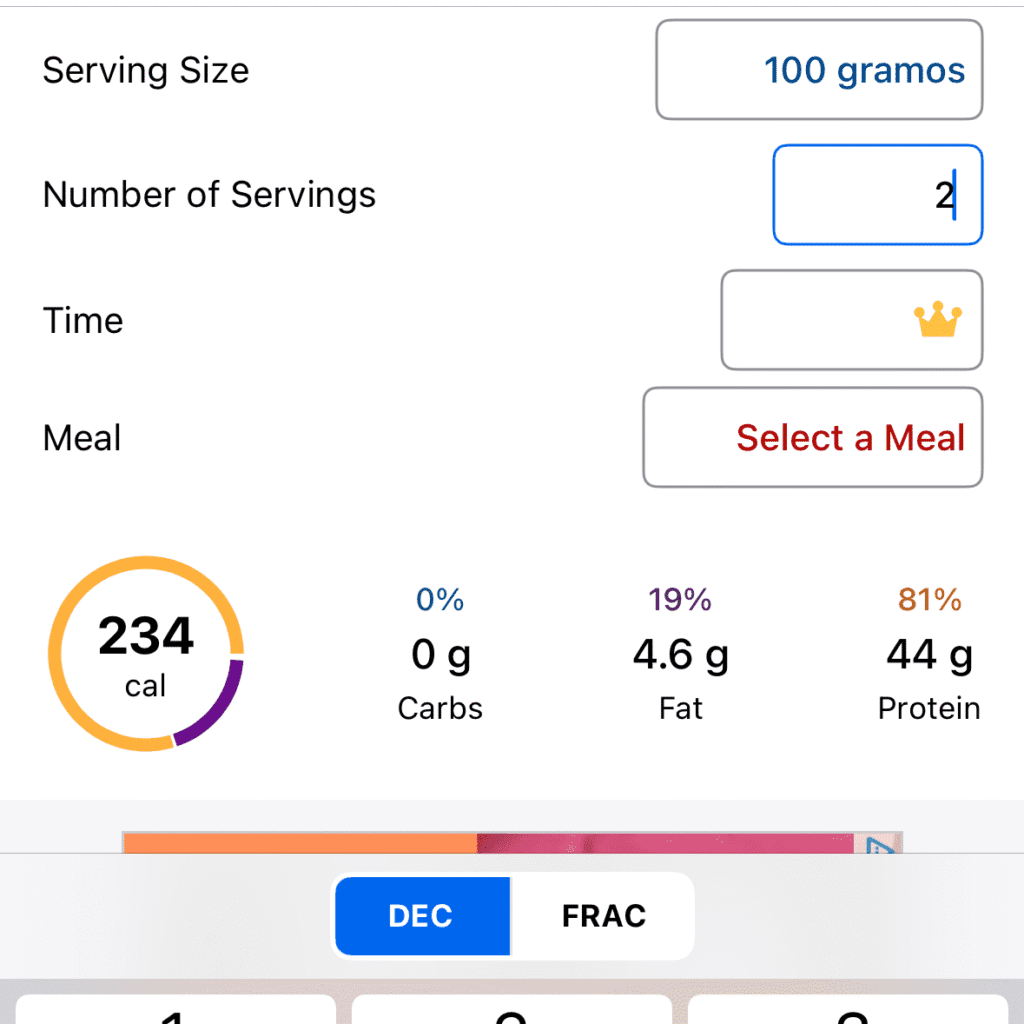
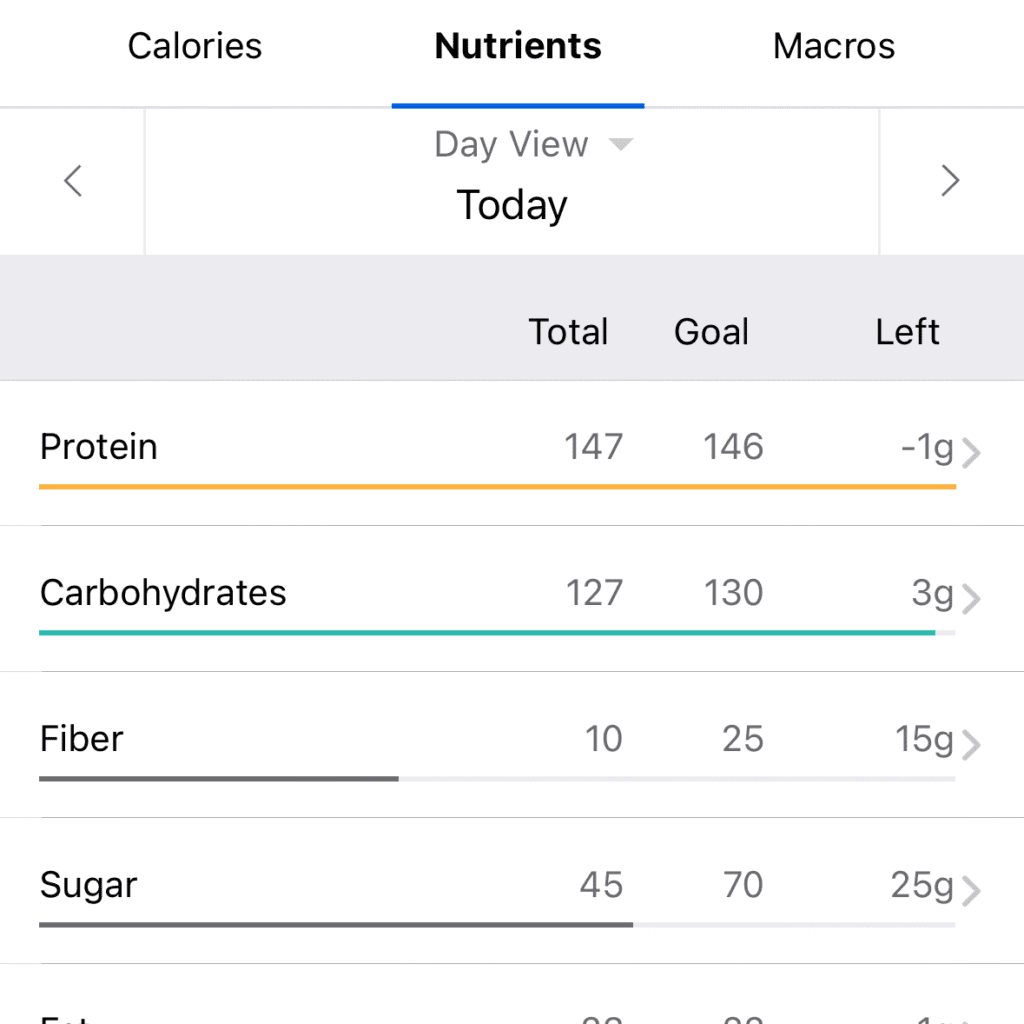
Calorie trackers, macro calculators, and endless food databases turned eating into a task that demanded constant attention. For many people, that attention quickly became exhaustion, and started losing hope about the possibility to eat healthier using AI.
But AI is changing the role technology plays in food — not by asking people to do more, but by helping them think less about decisions that don’t need to be complicated.
This article isn’t about recipes.
It’s about a framework: six ways to eat healthier using AI without tracking, counting, or obsessing.
Why Traditional Food Apps Created Friction Instead of Habits
Most nutrition tools were built around one assumption:
that awareness comes from measurement.
Log everything.
Track everything.
Control everything.
The problem is that constant measurement increases mental load. When every meal requires input, judgment, or correction, consistency becomes fragile.
Healthy eating fails not because people lack information, but because the systems they use don’t fit into real life.
AI represents a shift away from control-based tools toward support-based tools.
1. To Eat Healthier Using AI Reduces Decision Fatigue at the Moment It Matters
One of the biggest barriers to healthy eating isn’t motivation — it’s decision fatigue.
What should I eat?
Is this good enough?
How do I improve this meal?
AI can reduce that friction by:
- Analyzing what’s already in front of you
- Narrowing choices instead of expanding them
- Offering simple suggestions instead of endless options
When decisions feel lighter, people are more likely to follow through.
2. Real Meals, Not Idealized Ones is the Key to Eat Healthier Using AI
Most nutrition advice assumes people eat perfectly planned meals.
Real life looks different:
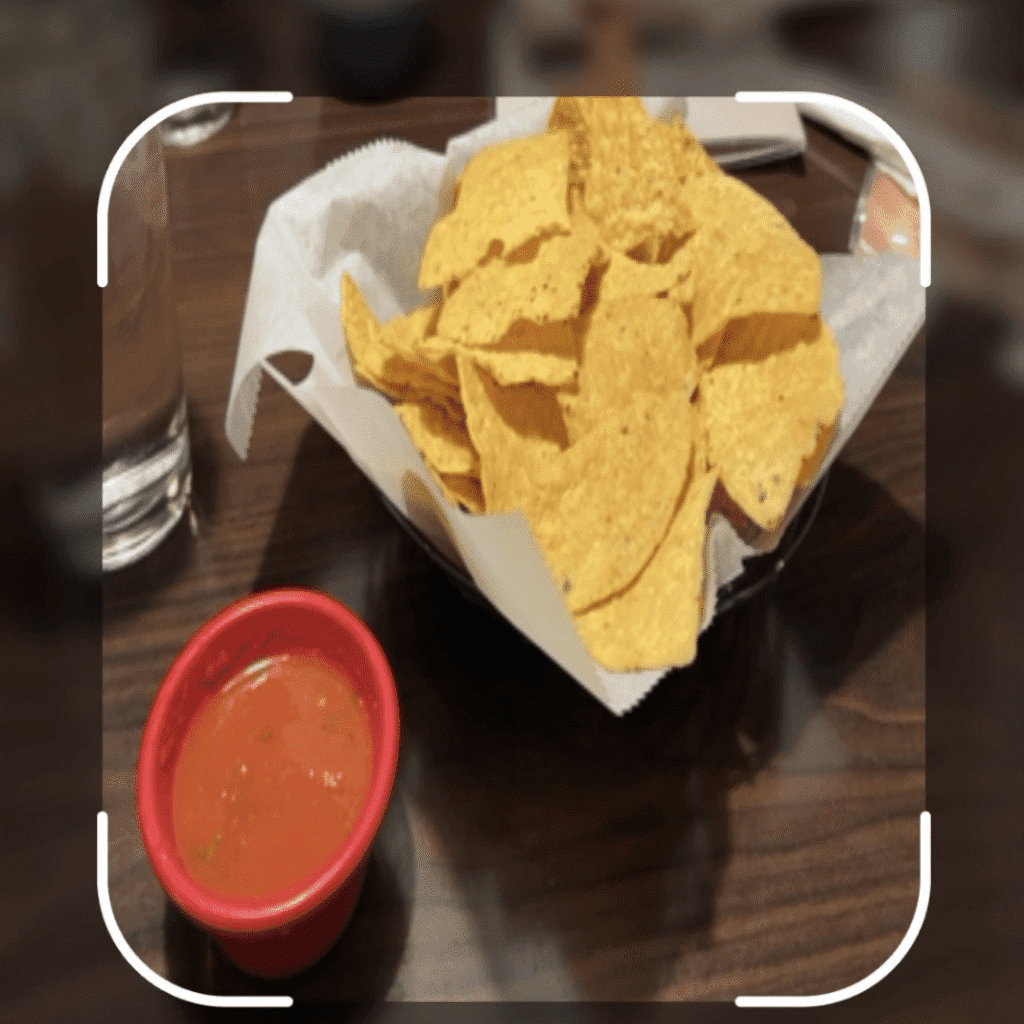
- Takeout
- Leftovers
- Restaurant food
- “Whatever was available” dinners
AI can meet people where they are by recognizing and working with real meals, not ideal ones.
Instead of forcing food into rigid categories, AI can:
- Understand context
- Identify patterns
- Suggest realistic improvements
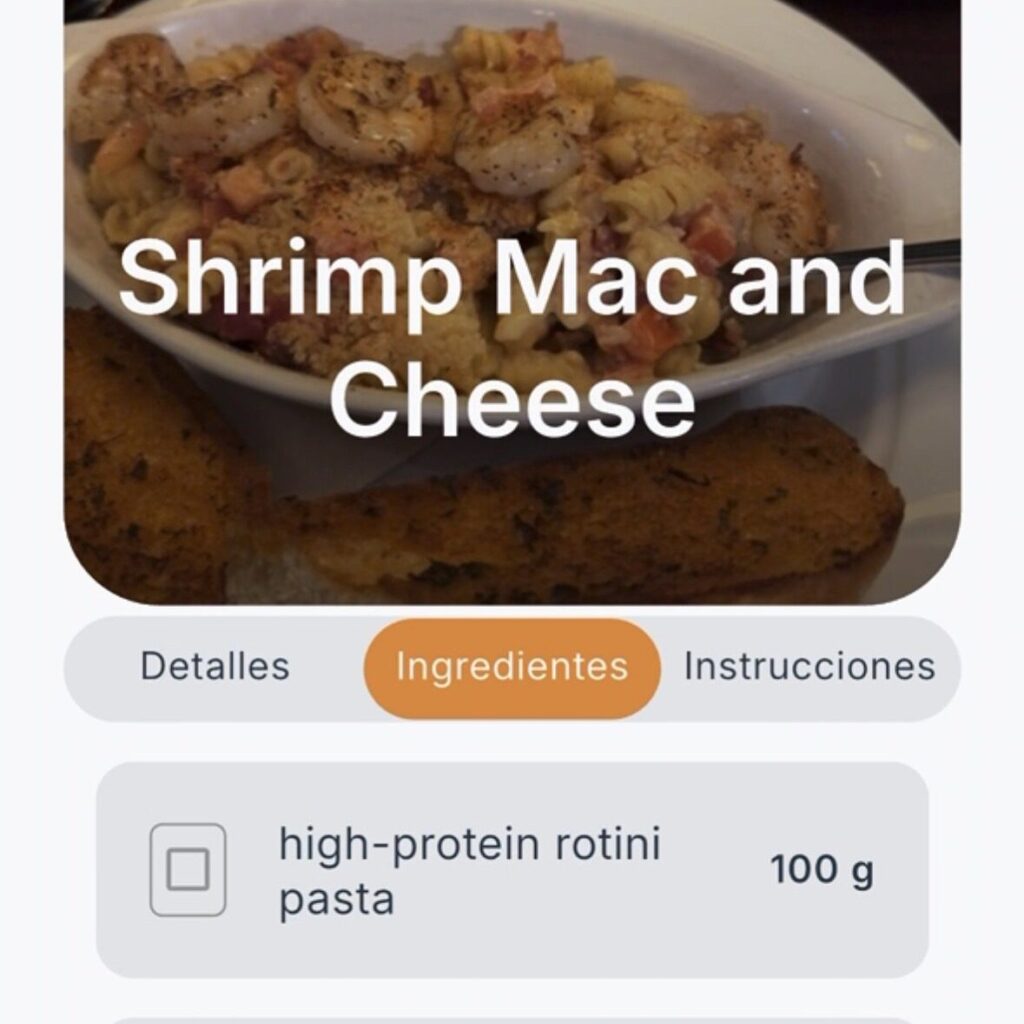
This approach aligns naturally with the idea of turning everyday meals into healthier versions, rather than starting over every time.
3. AI Encourages Progress Instead of Perfection
Traditional systems reward accuracy and streaks.
AI-based approaches reward direction.
Was this meal slightly more balanced?
Did it improve compared to yesterday?
Is this change sustainable?
By shifting the focus from precision to progress, AI helps people build habits that last beyond motivation spikes.
To eat healthier using AI supports actual healthier eating patterns without creating pressure or guilt.
4. AI Learns Preferences Instead of Imposing Rules
Food is deeply personal.
Preferences, culture, schedule, and energy levels all matter — yet most advice ignores them.
AI has the ability to adapt by:
- Learning what you enjoy
- Respecting how you eat
- Adjusting guidance over time
Instead of telling people what they should eat, AI can help them make better decisions within their own preferences.
That’s where confidence replaces control.

5. To Eat Healthier Using AI Reduces Mental Load Instead of Adding More Tasks
Healthy eating shouldn’t require constant attention.
AI can quietly support habits by:
- Removing the need to remember rules
- Offering guidance only when helpful
- Automating analysis instead of demanding input
When eating stops feeling like a project, it becomes easier to stay consistent — even during busy or low-energy periods.
6. AI Helps Build Awareness Without Obsession
Awareness doesn’t have to come from tracking.
Visual analysis, pattern recognition, and contextual feedback can help people understand their eating habits without turning food into math.
This aligns with approaches like eating healthy without counting calories, where awareness supports better choices without dominating daily life.
What This Means for the Future of Healthy Eating
Healthy eating doesn’t fail because people don’t care.
It fails because systems ask for too much effort, too often.
AI has the potential to change that by:
- Reducing friction
- Supporting intuition
- Encouraging consistency over control
When technology works quietly in the background, habits have room to form.

What’s Next
Healthy eating doesn’t need more rules — it needs better support. And the good news is, you can eat healthier using AI.
We’re building Remy AI to help people:
- Improve meals they already eat
- Make healthier choices without tracking or guilt
- Build sustainable habits that fit real life
Remy AI is launching soon, and we’re opening early access to people who want a simpler, calmer way to eat well.
👇 Join the early-access waitlist below to be among the first to try Remy AI.
Join Waitlist
 English
  Spanish