

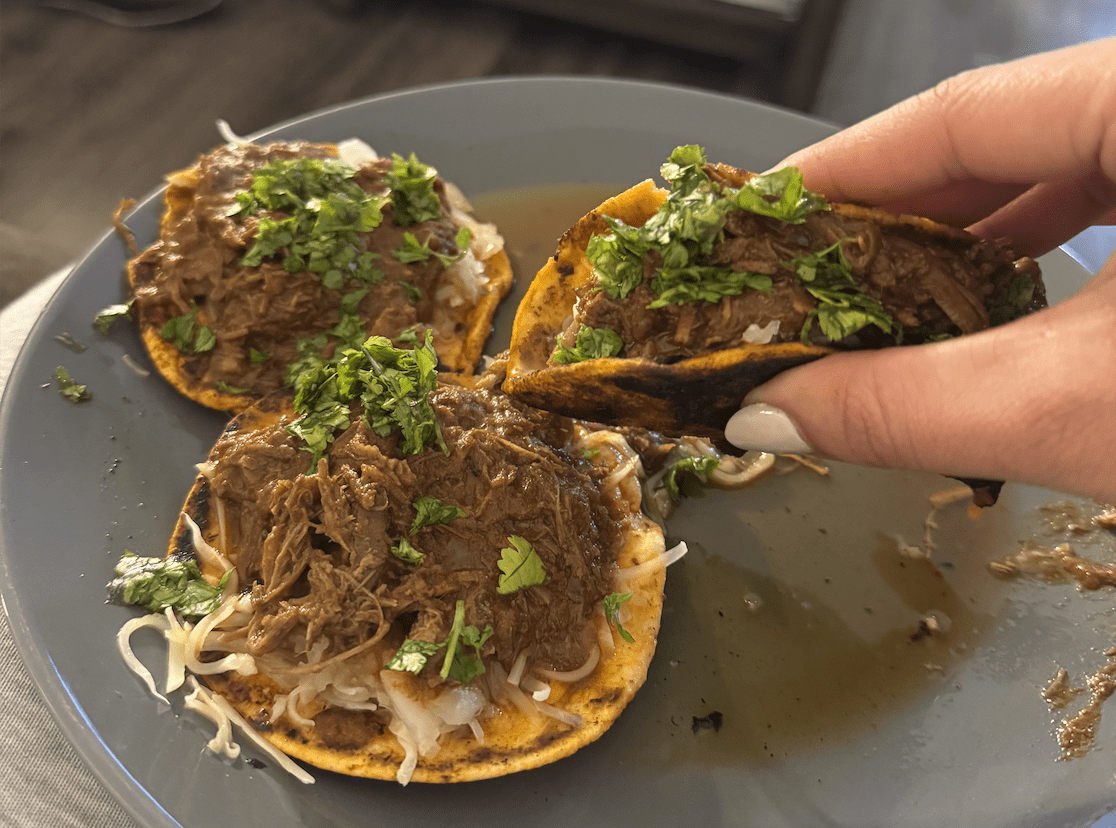

Eating healthy is one of the most common goals people set—and one of the most frequently abandoned.
Every January, millions of people download calorie-tracking apps, buy food scales, and promise themselves that this time will be different. For a few weeks, things go well. Meals are logged. Numbers are tracked. Motivation is high.
And then… life happens.
A dinner out. A busy workday. A craving. A missed log.
Suddenly, the system feels fragile. Exhausting. Unsustainable.
If this sounds familiar, it’s not because you lack discipline. It’s because most approaches to eating healthy are built on the wrong foundation.
The Real Reason Healthy Eating Doesn’t Stick
The biggest problem with traditional “eating healthy” advice is that it treats food like math instead of behavior.
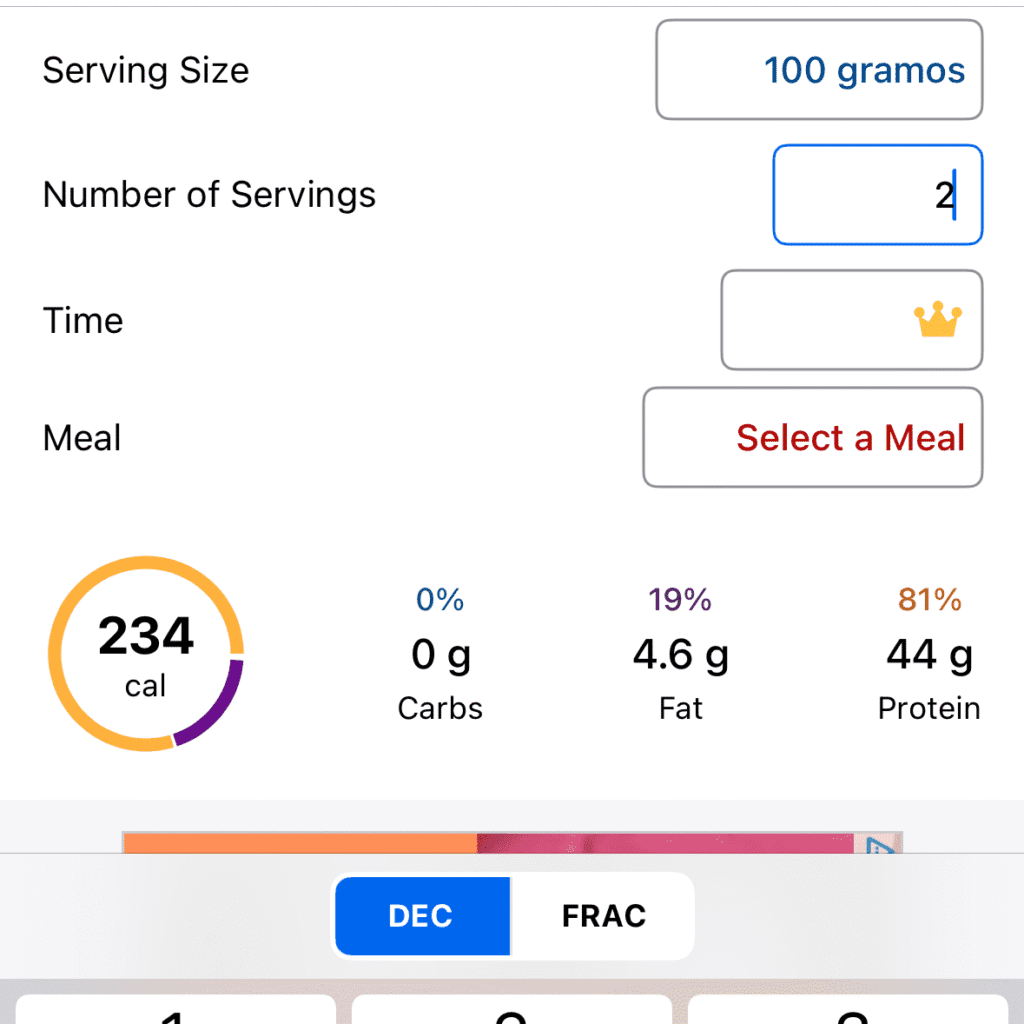
Calories, macros, points, grams—these systems assume that if you can measure your food precisely enough, consistency will follow. In reality, the opposite often happens.
Here’s why:
- Tracking creates friction
- Friction creates fatigue
- Fatigue creates quitting
When eating healthy requires constant effort, it competes with everything else in your life—work, relationships, stress, energy levels. Eventually, something has to give.
And it’s usually the app.
Eating Healthy Should Reduce Mental Load, Not Add to It
The healthiest eating patterns in the world share one thing in common: they’re simple to maintain.
People who eat well long-term don’t think about food all day. They don’t obsess over numbers. They don’t restart every Monday.
Instead, they rely on systems that work with human behavior—not against it.
That’s the missing piece in most diet advice.
Eating healthy shouldn’t require:
- Constant decision-making
- Perfect adherence
- Daily willpower battles
It should feel intuitive, flexible, and forgiving.
Why “All or Nothing” Thinking Ruins Progress
One of the biggest traps in nutrition is the all-or-nothing mindset.
You’re either “on track” or you’ve “failed.”
A single indulgent meal becomes a reason to give up entirely.
Guilt replaces curiosity.
This mindset is incredibly common—and incredibly damaging.
In reality, progress comes from patterns, not perfection. One meal doesn’t define your health. What matters is what you eat most of the time, not what you eat occasionally.
When eating healthy feels restrictive, people rebel. When it feels adaptable, they stick with it.
A Better Approach: Improving What You Already Eat
Instead of asking, “What should I eliminate?” a better question is:
“How can this meal be a little healthier without losing what I enjoy?”
That small shift changes everything.
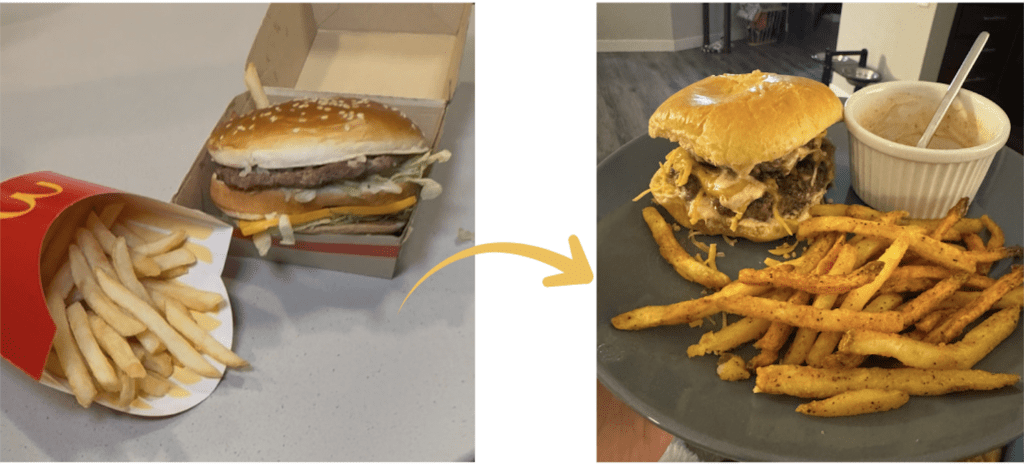
Rather than cutting out favorite foods, you improve them:
- Lighter sauces
- Better cooking methods
- Smarter ingredient swaps
- Balanced portions
The goal isn’t to eat “perfect” food. It’s to eat food you actually want—more often in a way that supports your health.
This approach removes guilt and builds consistency naturally.
Why Technology Can Help (When Used the Right Way)
Technology isn’t the enemy of eating healthy—overcomplication is.
When used correctly, tools can reduce effort instead of increasing it. The key is automation and guidance, not tracking and punishment.
Instead of asking you to:
- Log every bite
- Count every calorie
- Weigh every ingredient
Smarter tools focus on:
- Understanding what you’re eating
- Suggesting realistic improvements
- Preserving flavor and satisfaction
When eating healthy feels like a helpful assistant instead of a strict supervisor, people are far more likely to stay consistent.
Healthy Eating Is About Alignment
The healthiest approach is one that aligns with:
- Your lifestyle
- Your preferences
- Your schedule
- Your cravings
If a system doesn’t fit your real life, it won’t last—no matter how effective it looks on paper.
Healthy eating works best when it:
- Adapts to restaurants and social meals
- Handles busy days gracefully
- Leaves room for enjoyment
That’s how habits are built—not through restriction, but through repetition.
The Long-Term Goal Isn’t Control—It’s Confidence
The end goal of healthy eating isn’t to control food.
It’s to trust yourself around it.
When you know you can enjoy your meals and support your health, food loses its power to derail you. Decisions become easier. Stress decreases. Consistency follows.
Healthy eating stops feeling like a project—and starts feeling like part of life.
And that’s when it finally sticks.
What’s Next
Eating healthier doesn’t fail because people don’t care.
It fails because most systems demand too much effort, too often.
We’re building Remy AI to change that.
Instead of tracking every detail, Remy helps you:
- Understand what you’re already eating
- See how your meals could be healthier
- Make small, realistic improvements that actually fit your life
No calorie counting.
No rigid rules.
No starting over.
Remy AI is launching soon, and we’re opening early access to a limited group of users who want a simpler, more sustainable way to eat better.
👇 Join the early-access waitlist below to be among the first to try it.
 English
  Spanish