


When people talk about eating healthy, the focus almost always lands on food.
What to eat.
What to avoid.
What’s “good” or “bad.”
But after years of watching how people actually eat — and how often healthy plans fail — one thing becomes clear: food choices matter less than eating habits.
Two people can eat very different meals and still have similar health outcomes, depending on how they eat, how often, and how flexible they are with themselves.
This article isn’t about specific foods or recipes.
It’s about four eating habits that consistently make the biggest difference — regardless of diet trends, preferences, or lifestyle.
Why Focusing Only on Food Backfires
Most nutrition advice assumes people eat in isolation.
In reality, eating happens:
- While working
- While stressed
- While socializing
- While tired
When advice ignores context, it becomes fragile. It works on “perfect” days and collapses on real ones.
Eating habits, on the other hand, travel with you — across schedules, moods, and environments.
That’s why building the right eating habits matters more than finding the perfect meal.
Habit #1: Eating With Enough Satisfaction
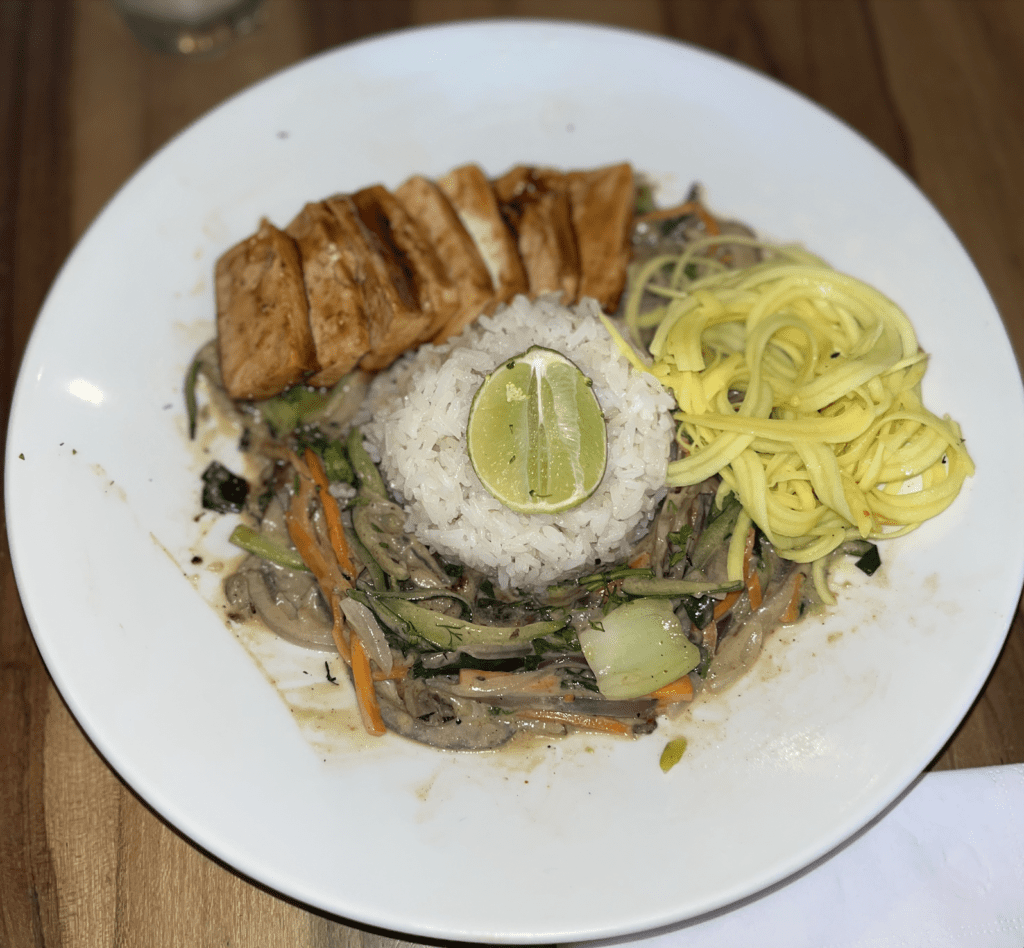
One of the most overlooked drivers of healthy eating habits is satisfaction.
When meals are unsatisfying, people keep thinking about food afterward — snacking, grazing, or mentally negotiating their next meal.
Satisfying meals tend to:
- Include enough volume
- Include flavors you enjoy
- Leave you feeling complete
This doesn’t mean overeating. It means eating enough.
Satisfaction regulates intake far more effectively than rules ever will.
Habit #2: Making Small Improvements Instead of Big Resets
Many people approach healthy eating as a reset:
- New plan
- New rules
- New restrictions
These resets rarely survive long.
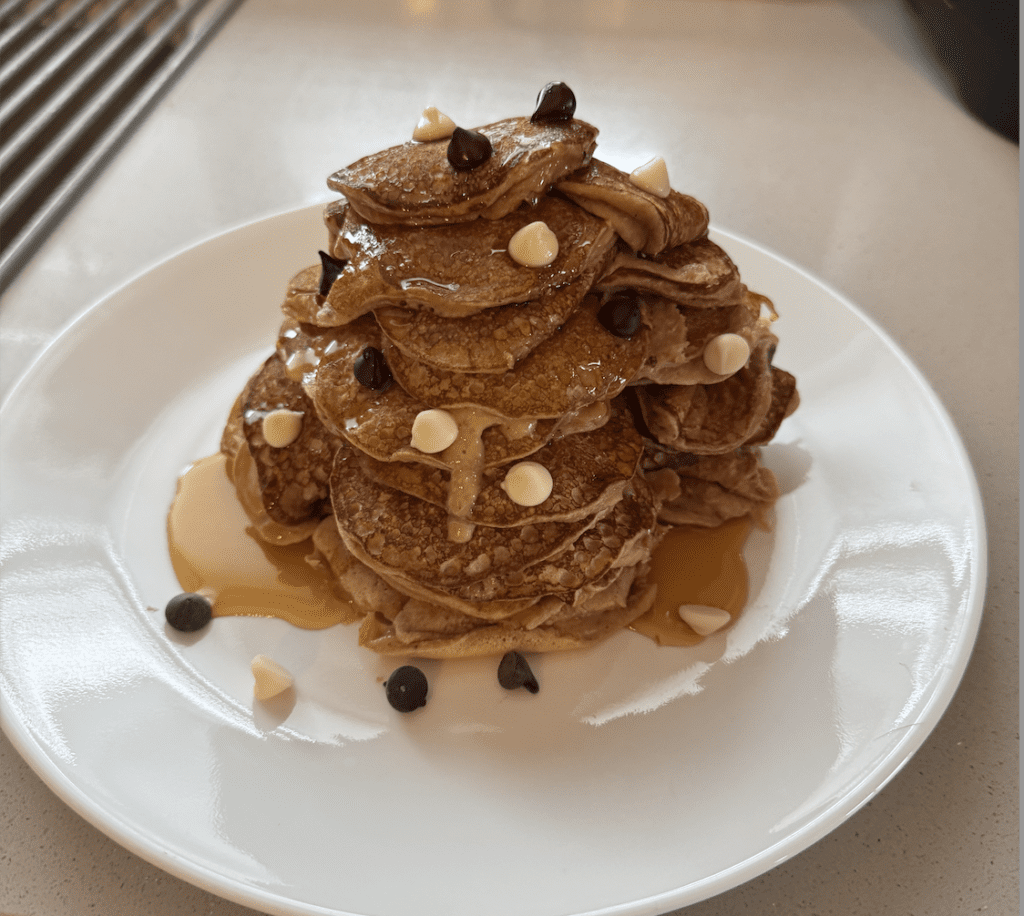
A more effective habit is asking:
“How can this meal be slightly better than the last one?”
Small improvements might look like:
- Adding protein
- Adding vegetables
- Adjusting cooking methods
- Reducing excess, not eliminating joy
This eating habits build momentum instead of pressure.
It aligns with approaches like eating healthy without counting calories, where progress is measured by patterns, not perfection.
Habit #3: Eating Consistently, Not Perfectly
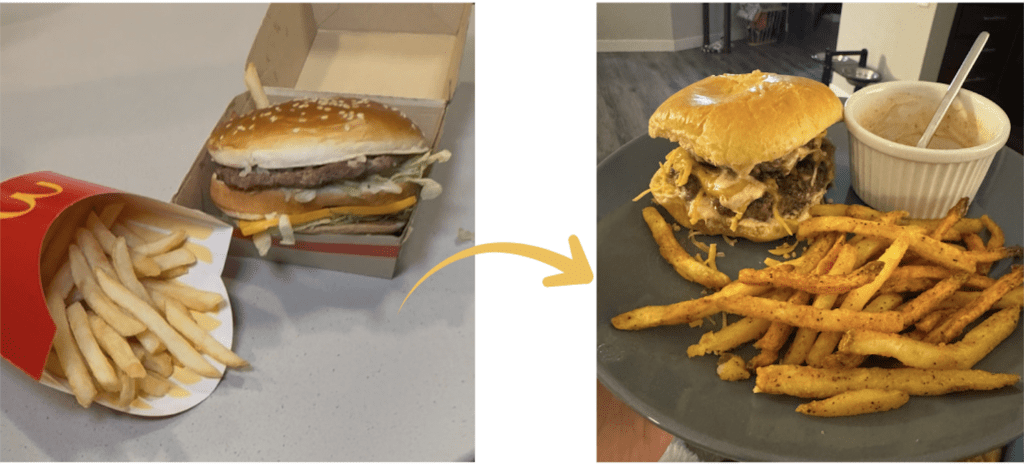
Healthy eating isn’t defined by what happens on one day.
It’s defined by what happens most days.
Consistency beats perfection because:
- Life is unpredictable
- Plans change
- Social eating happens
When people aim for perfection, one “off” meal feels like failure. When they aim for consistency, that same meal becomes part of a normal rhythm.
Consistency creates resilience.

Habit #4: Paying Attention Without Judging
Awareness is powerful — but only when it’s neutral.
Judgment shuts learning down.
Curiosity keeps it open.
A helpful habit is simply noticing:
- How meals make you feel
- Which foods energize you
- Which habits happen automatically
This kind of awareness doesn’t require tracking or measuring. It requires presence.
Over time, this builds trust — and trust leads to better decisions without effort.
Why These Eating Habits Work Across All Eating Styles
The reason these habits are so effective is that they’re diet-agnostic.
They work whether you:
- Cook at home or eat out
- Prefer structure or flexibility
- Eat intuitively or plan ahead
They adapt to real life instead of demanding control over it.
This is why habits outlast rules.
Where Technology Can Help (Without Taking Control)
The challenge with eating habits isn’t understanding them — it’s remembering them in the moment.
This is where technology, when used correctly, can support instead of supervise.
AI-powered tools can:
- Highlight patterns over time
- Offer gentle suggestions
- Reduce decision fatigue
Instead of tracking every detail, they help people see the bigger picture.
When technology supports awareness instead of enforcement, habits have room to form naturally.
Why This Shift Matters Long-Term
Healthy eating doesn’t fail because people lack willpower.
It fails because systems focus on control instead of support.
By prioritizing habits over rules:
- Food becomes less stressful
- Decisions feel easier
- Consistency becomes achievable
This is how healthy eating stops feeling like a constant effort and starts feeling like part of life.
What’s Next
Healthy eating isn’t about finding the perfect diet — it’s about building habits that fit your life.
We’re building Remy AI to help people:
- Notice food patterns without tracking
- Improve everyday meals without pressure
- Build habits that last beyond motivation
Remy AI is launching soon, and we’re opening early access to people who want a calmer, more sustainable relationship with food.
👇 Join the early-access waitlist below to be among the first to try it.
 English
  Spanish