


For a long time, “technology for healthy eating” meant one thing: more work.
More logging.
More numbers.
More notifications reminding you of what you ate—or didn’t eat—correctly.
What was meant to help often ended up doing the opposite. Healthy eating became something you had to manage instead of something that fit naturally into your life.
But AI is changing that relationship.
When designed thoughtfully, AI doesn’t add complexity. It removes it. This article isn’t about recipes or promises of perfect eating. It’s about five practical ways AI can simplify healthy eating, making it calmer, lighter, and easier to sustain.
Why “More Tools” Didn’t Mean Better Habits
Most food and nutrition apps were built around the idea that more data equals better decisions.
Track everything.
Measure everything.
Optimize everything.
The problem is that humans don’t live like spreadsheets.
When every meal requires attention, discipline, or correction, healthy eating becomes fragile. It works only when life is calm—and falls apart the moment stress, travel, or exhaustion show up.
AI represents a shift away from control-based systems toward support-based systems.
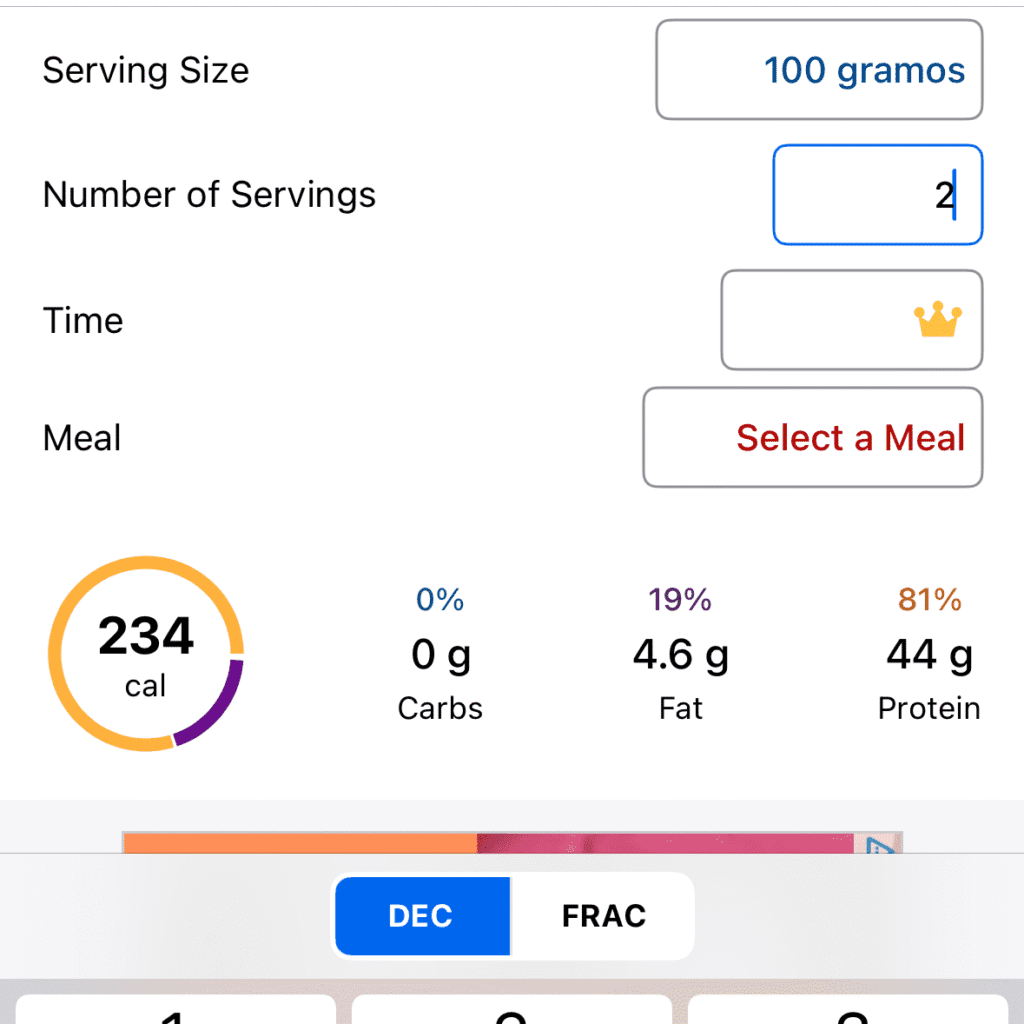
Way #1: AI Reduces Decision Fatigue Before It Starts
One of the most exhausting parts of healthy eating isn’t cooking—it’s deciding.
What should I eat?
Is this healthy enough?
How do I improve this meal?
AI can simplify this by narrowing choices instead of expanding them. Rather than overwhelming you with options, it can:
- Analyze what’s available
- Highlight simple improvements
- Offer guidance only when needed
When decisions feel lighter, people make them more consistently.
Way #2: AI Works With Real Life, Not Ideal Scenarios
Most nutrition advice assumes ideal conditions:
- Time to cook
- Access to ingredients
- Energy to plan
Real life is messier.
AI can adapt to real situations by working with:
- Restaurant meals
- Leftovers
- Quick, imperfect dinners
Instead of asking you to start over, AI helps you improve what’s already there. This aligns with the idea of turning everyday meals into healthier versions, rather than chasing perfection.
Way #3: AI Encourages Awareness Without Obsession
Awareness is helpful. Obsession is not.
Traditional tools often blur that line by demanding constant input. AI, when used correctly, can create awareness passively:
- Recognizing patterns over time
- Highlighting trends instead of single meals
- Offering feedback without judgment
This supports healthier choices without turning food into something you think about all day.
Way #4: AI Learns Preferences Instead of Imposing Rules
Food is personal.
What you enjoy, how you eat, and when you eat all matter. One-size-fits-all advice ignores this—and often fails because of it.
AI has the ability to adapt by:
- Learning preferences
- Respecting routines
- Adjusting suggestions gradually
Instead of telling you what you should eat, it helps you make better decisions within your own habits.
That’s where confidence replaces control.

Way #5: AI Supports Consistency Over Perfection
Healthy eating doesn’t depend on perfect meals. It depends on patterns.
AI can support consistency by:
- Focusing on progress, not precision
- Helping you notice what works
- Reducing the urge to restart after imperfect days
This mirrors approaches like healthy eating without counting calories, where flexibility is a feature—not a failure.
Why This Matters for Long-Term Health
Healthy eating fails when it feels like a job.
It succeeds when it feels like part of life.
By reducing friction, simplifying decisions, and supporting awareness, AI can help people build habits that survive busy schedules, stress, and change.
This isn’t about outsourcing responsibility. It’s about removing unnecessary obstacles so healthier choices feel natural instead of forced.
Where Remy AI Fits Into This Shift
We’re building Remy AI around this exact philosophy.
Not to tell people what to eat—but to help them:
- Understand meals visually
- Improve everyday food choices
- Build sustainable habits without tracking or guilt
No calorie counting.
No rigid plans.
No starting over.
Just calmer, smarter support.
What’s Next
Healthy eating doesn’t need more tools—it needs better ones.
Remy AI is launching soon, and we’re opening early access to people who want:
- Less friction around food
- Healthier habits without obsession
- Technology that supports instead of controls
👇 Join the early-access waitlist below to be among the first to try Remy AI.
 Spanish
  English