


Counting calories often starts with good intentions.
It promises clarity. Control. A sense of certainty in a space that can feel confusing. For a while, it even works. People become more aware of what they’re eating. Patterns emerge. Results appear.
And then, slowly, something shifts.
Tracking starts to feel heavy.
Meals feel like calculations.
Food decisions feel stressful instead of intuitive.
This article isn’t about criticizing counting calories. It’s about understanding why it often stops working over time — and what actually helps people eat well in a way that lasts.
Why Counting Calories Feels Helpful at First
Counting calories provides structure.
For many people, that structure brings short-term benefits:
- Awareness increases
- Portions become clearer
- Mindless eating decreases
In the beginning, numbers offer guidance. They reduce ambiguity.
But structure alone isn’t enough to sustain behavior long-term. And that’s where problems start to show up.
Reason #1: It Turns Eating Into Constant Decision-Making
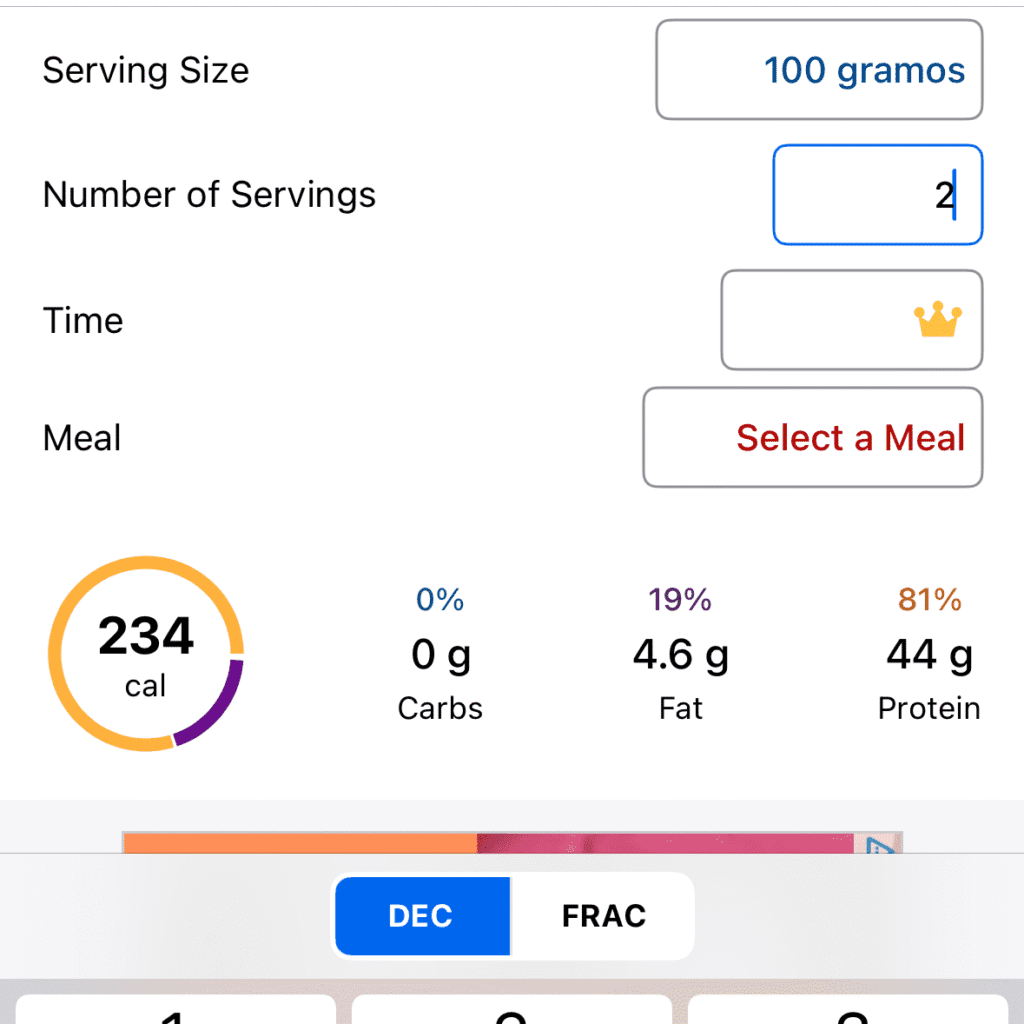
Every tracked meal requires attention.
What did I eat?
How much was that?
Did I log it correctly?
These questions might seem small, but repeated multiple times a day, they create decision fatigue.
Over time, the mental cost of tracking outweighs the benefits. Eating stops being automatic and starts feeling like work.
When systems demand constant input, they struggle to survive busy or stressful periods.
Reason #2: It Focuses on Numbers Instead of Experience
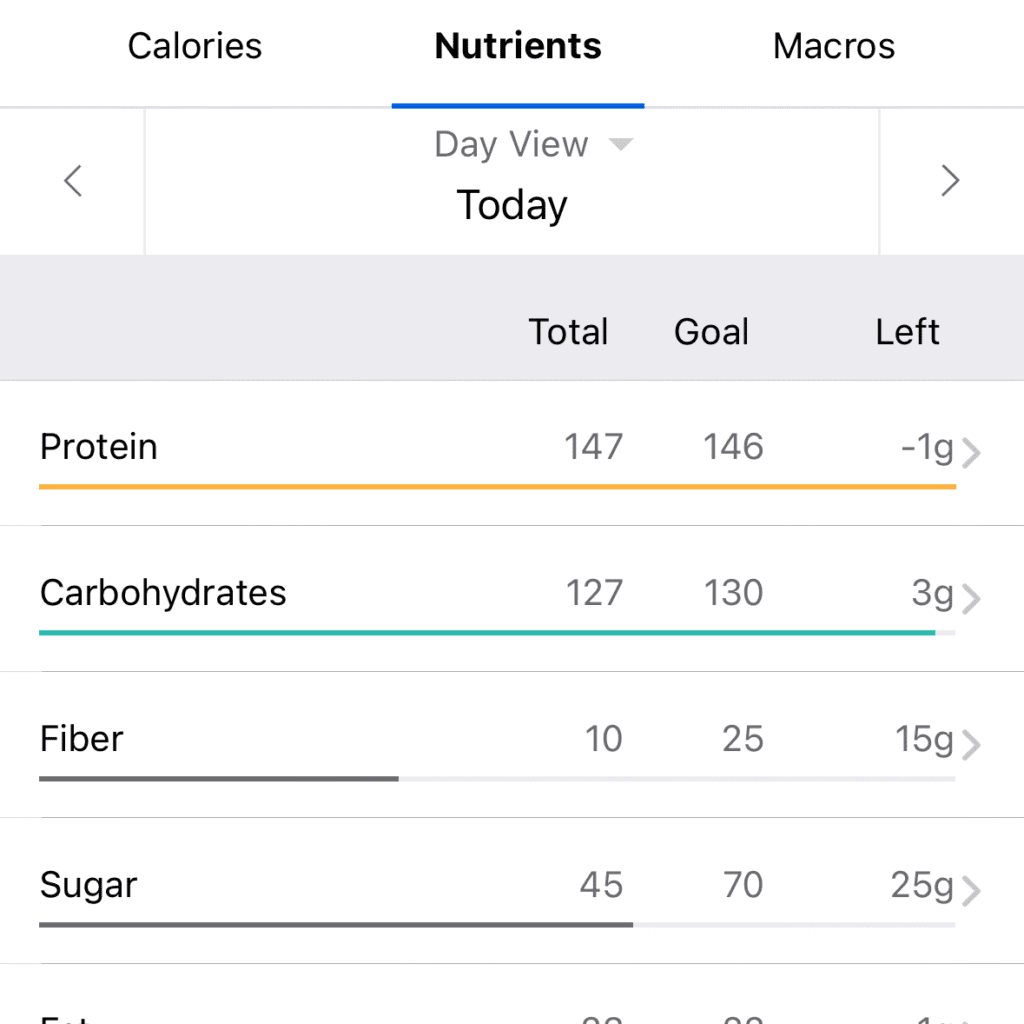
Calories describe energy, not experience.
They don’t capture:
- Satisfaction
- Fullness
- Enjoyment
- Cultural context
Two meals with the same calorie count can feel completely different in the body. Yet tracking treats them as equal.
When people rely solely on numbers, they often disconnect from internal cues — hunger, fullness, and satisfaction — that are critical for sustainable eating.
Reason #3: It Breaks Down in Real-Life Situations
Counting calories works best in controlled environments.
Real life isn’t controlled.
Restaurants, social meals, travel, and leftovers introduce uncertainty. Estimations become guesses. Accuracy drops. Frustration increases.
At that point, many people respond by:
- Avoiding social meals
- Overestimating and restricting
- Or giving up entirely
A system that fails under normal conditions isn’t a reliable system.
Reason #4: It Encourages Perfection Over Consistency
Tracking rewards accuracy.
Miss a log, and the day feels “ruined.”
Go over a target, and guilt creeps in.
This creates an all-or-nothing mindset where progress depends on perfect adherence.
But healthy eating isn’t built on perfect days. It’s built on consistent patterns that adapt when life changes.
When a system doesn’t allow flexibility, it becomes fragile.
What Actually Helps Instead
When counting calories stops working, it’s usually because people need a different kind of structure, not no structure at all.
What helps long-term is:
- Awareness without measurement
- Guidance without judgment
- Flexibility instead of rigid targets
This is the foundation of approaches like eating healthy without counting calories, where attention shifts from numbers to patterns.
People learn to:
- Build satisfying meals
- Notice how food affects energy and hunger
- Make small improvements over time
These skills travel across contexts — home, restaurants, busy days — because they’re not tied to an app or a number.
Why Awareness Matters More Than Accuracy
Accuracy feels productive, but awareness is what actually changes behavior.
Awareness allows people to notice:
- Which meals keep them full
- Which habits repeat automatically
- Which choices feel supportive over time
This kind of awareness doesn’t require tracking every detail. It requires space to observe without judgment.
That’s where confidence around food starts to grow.
Where Technology Can Support This Shift
Technology doesn’t need to disappear for eating to feel better.
It just needs to change roles.
Instead of asking people to log everything, smarter tools can:
- Help identify patterns visually
- Offer suggestions without pressure
- Reduce mental load instead of increasing it
This is where AI-based approaches fit naturally — supporting decisions rather than supervising them.
Why This Perspective Is More Sustainable
Healthy eating stops working when it feels like a test you can fail.
It starts working when it feels like a skill you can practice.
By moving away from constant tracking and toward awareness, flexibility, and support, people build habits that survive real life.
That’s not a shortcut. It’s a long-term solution.
What’s Next
Healthy eating doesn’t require more control — it requires better tools and calmer guidance.
We’re building Remy AI to help people:
- Understand meals without counting calories
- Improve everyday food choices
- Build sustainable habits without guilt or obsession
Remy AI is launching soon, and we’re opening early access to people who want a simpler, more intuitive way to eat well.
👇 Join the early-access waitlist below to be among the first to try Remy AI.
 Spanish
  English