

5 Food Decisions You Make Every Day (And How to Make Them Healthier Without Thinking)

Most people believe healthy eating is about big choices.
What diet to follow.
What foods to cut out.
What plan to start next Monday.
In reality, health is shaped by small food decisions made repeatedly, often without much thought at all.
What you eat for lunch.
How you build your plate at dinner.
What you reach for when you’re busy or tired.
These decisions don’t feel important in the moment — but over time, they shape patterns. And patterns matter far more than isolated “good” or “bad” meals.
This article isn’t about changing everything you eat.
It’s about understanding 5 food decisions you already make every day — and how to make them healthier without adding effort or rules.
Why Daily Decisions Matter More Than Big Plans
Big plans rely on motivation.
Daily decisions rely on habits.
Motivation comes and goes. Habits stay.
When healthy eating depends on a detailed plan, it often collapses when life gets unpredictable. When it’s built into everyday decisions, it adapts.
That’s why focusing on small, repeatable food decisions is one of the most effective ways to eat better long term.
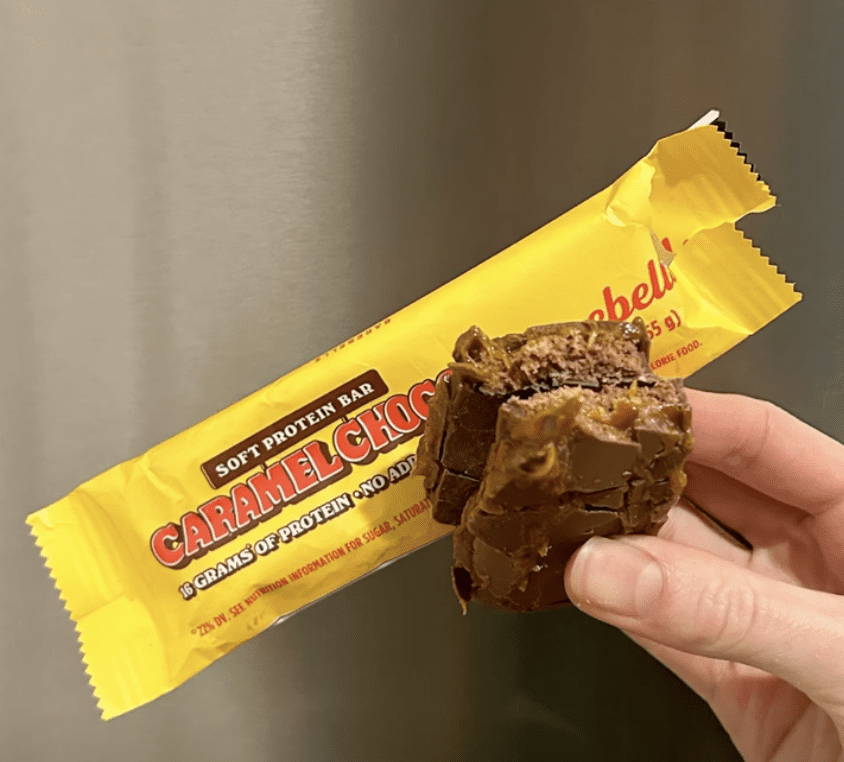
Food Decision #1: What You Eat When You’re Short on Time
When time is limited, convenience usually wins.
The healthiest version of this food decision isn’t “cook perfectly” — it’s choose the best available option.
Healthier defaults might include:
- Choosing meals with protein and vegetables
- Improving what you order instead of avoiding restaurants
- Adding something nourishing rather than restricting
You don’t need ideal conditions. You need flexible thinking.
Food Decision #2: How You Build Your Plate
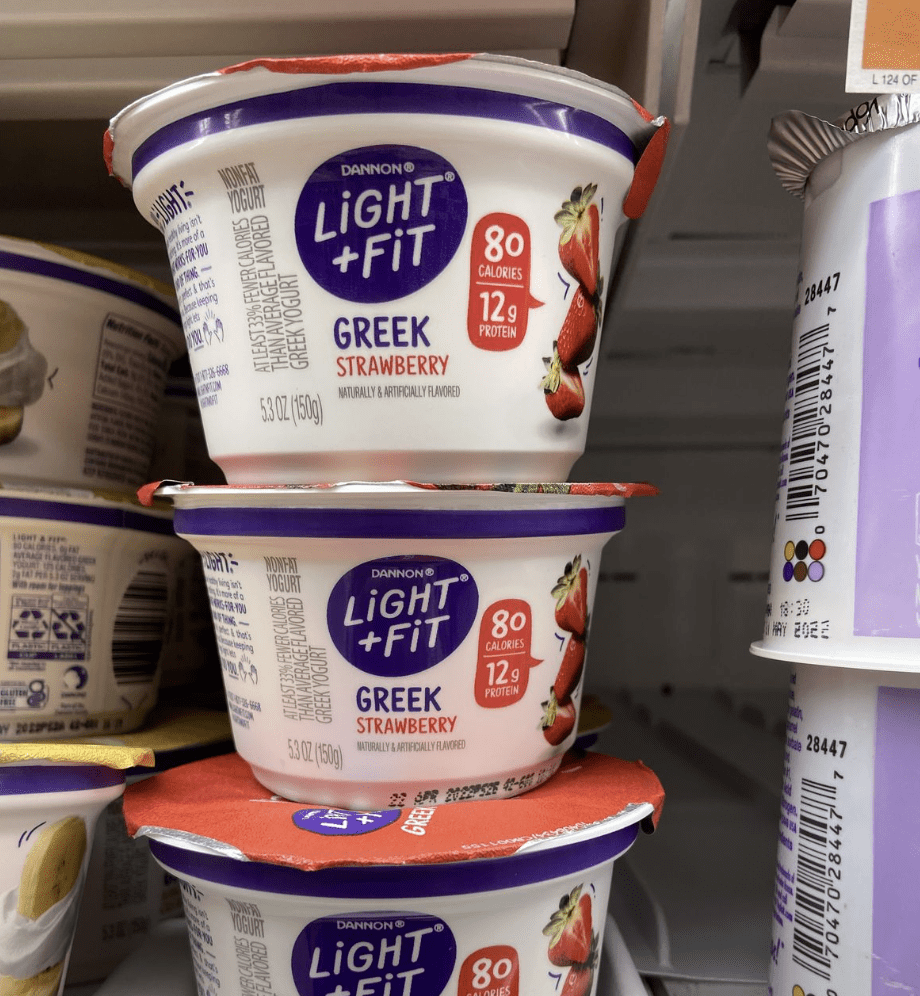
Most meals already have a structure — even if you’re not aware of it.
A simple, healthier decision is paying attention to balance:
- Is there something filling?
- Is there something fresh or fiber-rich?
- Does this meal feel satisfying?
You don’t need to measure or count. Visual balance often tells you enough.
Over time, this awareness becomes automatic.
Food Decision #3: What You Do After a “Less Ideal” Meal
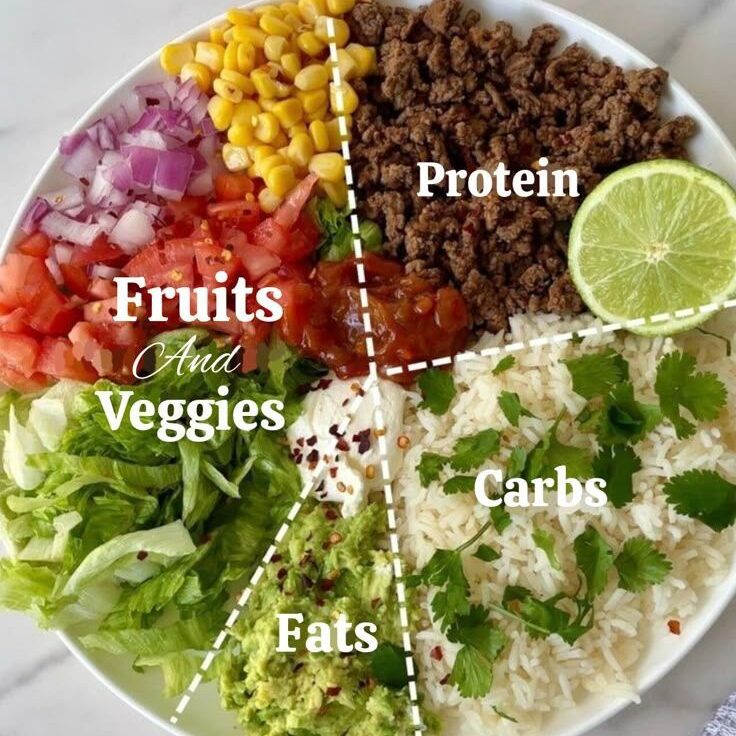
This food decision is more important than the meal itself.
Many people respond to one indulgent meal by:
- Restricting the next one
- Skipping food
- Mentally labeling the day as “bad”
A healthier response is neutral:
- Eat normally at the next meal
- Don’t compensate
- Don’t judge
This keeps one meal from turning into a pattern.
Food Decision #4: How Much Mental Energy You Spend on Food
Healthy eating shouldn’t dominate your thoughts.
When food requires constant attention — planning, tracking, analyzing — it competes with everything else in your life.
A healthier decision is reducing mental load:
- Fewer rules
- More defaults
- More trust
This is where systems that support awareness — rather than control — make a difference.
Food Decision #5: Whether You Improve or Restart
Many people treat healthy eating as a series of restarts.
Monday resets.
New plans.
Fresh rules.
A more sustainable decision is choosing improvement over reset.
Instead of asking:
“How do I start over?”
Ask:
“What’s one small improvement I can make next time?”
That question builds momentum instead of pressure.
Why These Decisions Are Easier Than They Sound
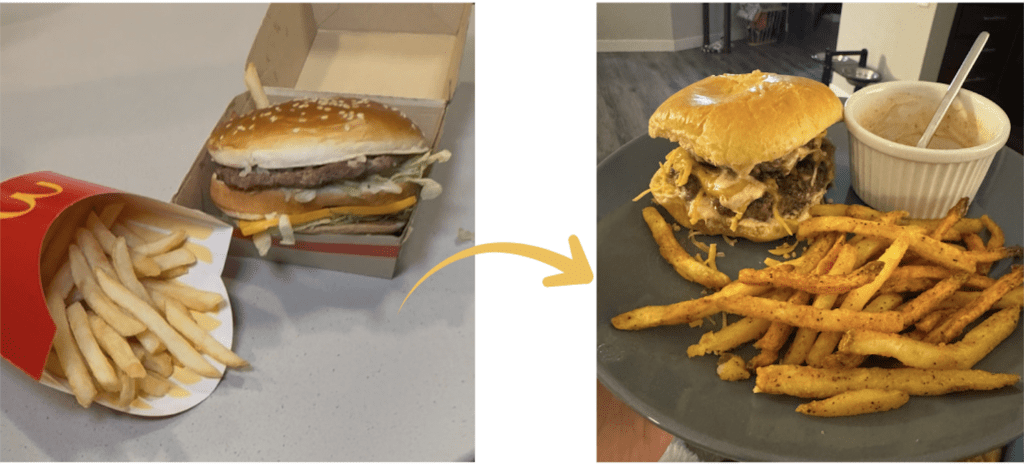
You’re already making these decisions — consciously or not.
The goal isn’t to add more thinking.
It’s to slightly shift the default.
Small adjustments, repeated often, quietly change outcomes.
This approach aligns naturally with healthy eating without counting calories, where awareness replaces obsession and patterns replace perfection.
Where Technology Can Support These Choices
The challenge with daily decisions isn’t knowing what’s “healthy.”
It’s remembering to pause long enough to choose well.
This is where AI-powered tools can help — not by telling people what to eat, but by:
- Highlighting patterns over time
- Offering gentle nudges
- Reducing decision fatigue
When technology supports awareness instead of enforcing rules, healthier choices become easier to repeat.
Why This Perspective Changes Everything
Healthy eating doesn’t fail because people don’t care.
It fails because too much responsibility is placed on willpower.
When food decisions are simplified, supported, and contextual, consistency becomes realistic — even on busy days.
That’s how healthy eating stops feeling like a constant effort and starts feeling natural.
What’s Next
Healthy eating is shaped by the choices you make every day — not by perfect plans.
We’re building Remy AI to support these daily decisions by helping people:
- Understand their meals without tracking
- Improve food choices without pressure
- Build habits that fit real life
Remy AI is launching soon, and we’re opening early access to people who want a simpler, more intuitive way to eat well.
👇 Join the early-access waitlist below to be among the first to try it.
 Spanish
  English