

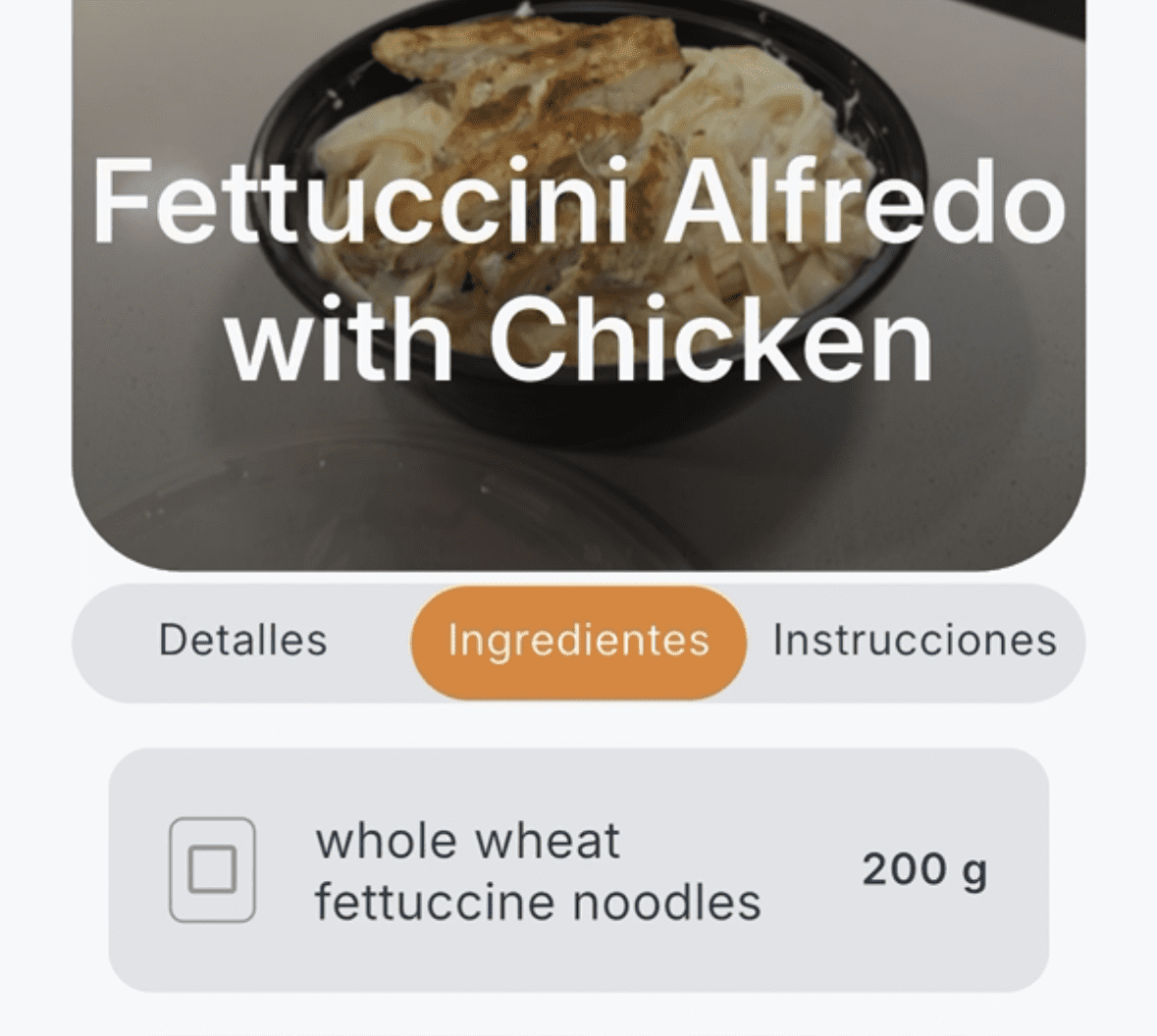

Introduction: Cooking Hasn’t Kept Up With Real Life
For years, technology has helped us:
- Order food faster
- Discover endless recipes
- Track calories and macros
But it hasn’t solved the hardest part of eating well:
Deciding what to cook — and how to make it healthier — in real life. We hasn’t yet heard of AI healthy cooking.
Most cooking tools still assume:
- You plan meals in advance
- You follow recipes exactly
- You eat the same way every week
That’s not how most people live.
This is where AI is starting to change home cooking — not by replacing it, but by making it smarter and more adaptable. That’s what we call “AI Healthy Cooking”.
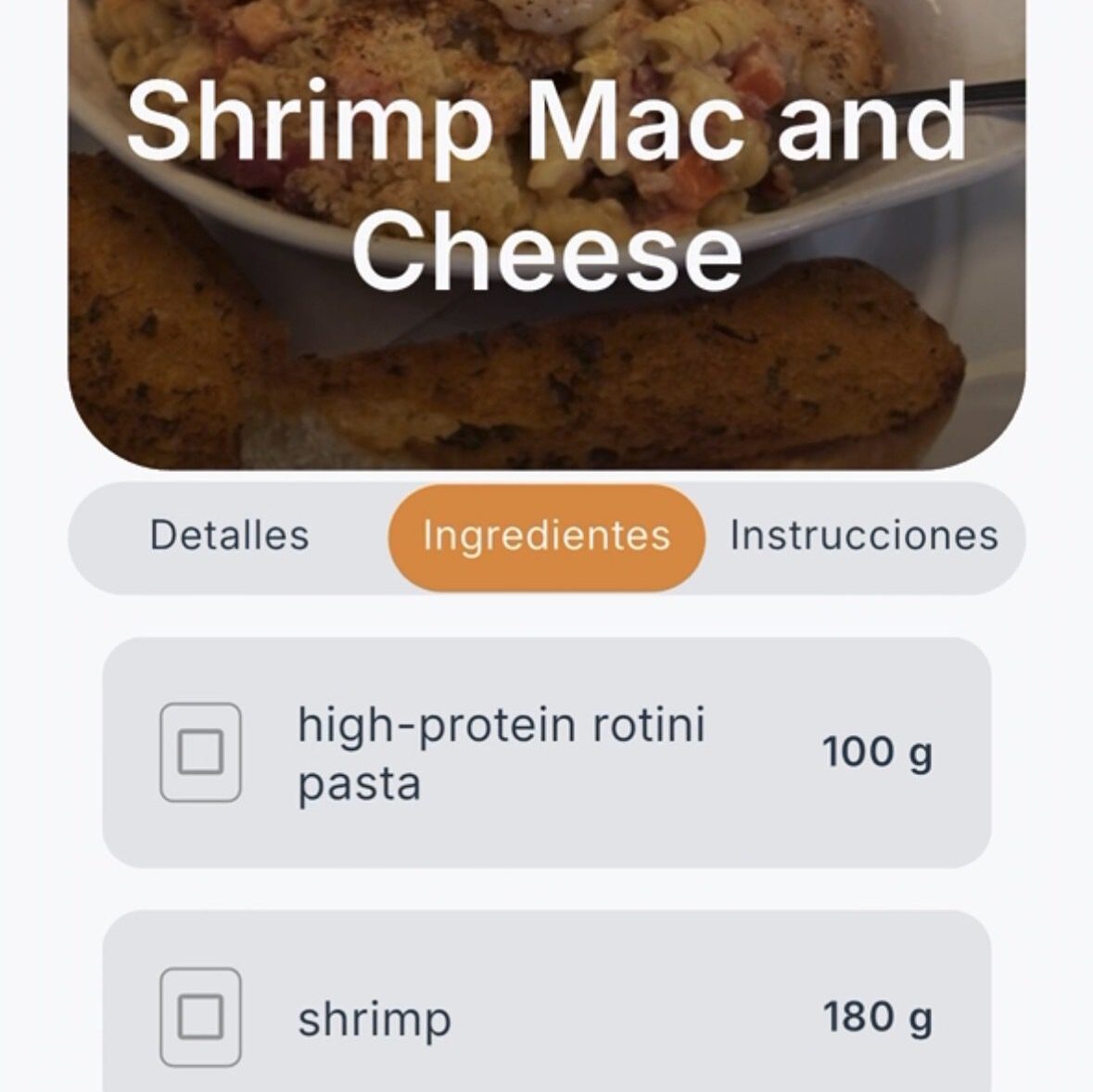
The Problem With Traditional Meal Planning
Traditional meal planning apps and recipe websites follow a rigid model:
- Choose a plan
- Follow the rules
- Stick to the recipes
This works in theory, but breaks down quickly in practice.
- Cravings
- Leftovers
- Restaurant meals
- Busy schedules
- Social events
When tools don’t adapt to reality, people stop using them. The issue isn’t motivation — it’s friction.
What AI Does Differently in the Kitchen
AI flips the process.
Instead of forcing you to adapt to a plan, AI adapts to you.
Modern AI systems can:
- Analyze images of food
- Recognize ingredients and cooking styles
- Understand portion sizes
- Suggest adjustments instead of restrictions
This makes healthy eating reactive, not rigid.
You don’t start with a rule.
You start with what’s on your plate.
From “Perfect Recipes” to Real Meals
Traditional cooking tools say:
“Here’s a recipe. Follow it exactly.”
AI-powered cooking says:
“Here’s what you’re eating. Let’s make it better.”
That difference matters more than it sounds.
It means:
- No guilt for eating “off plan”
- No restarting after a bad day
- No pressure to be perfect
Every meal becomes an opportunity to improve — not a test you can fail.
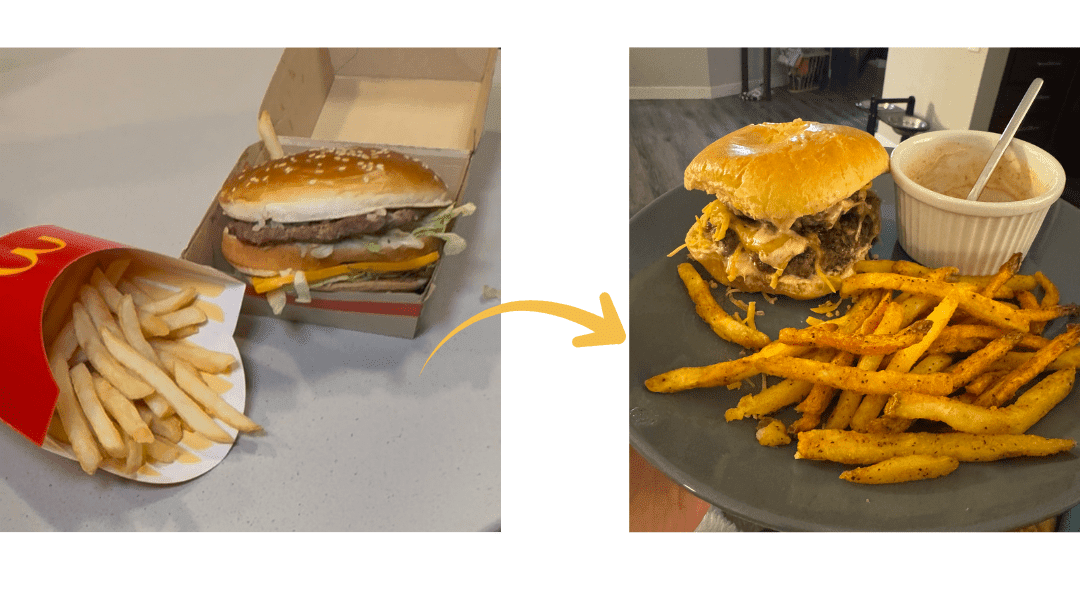
Personalization Is the Real Breakthrough
One of the biggest problems with traditional nutrition advice is that it’s generic.
AI allows cooking and nutrition to become:
- Personalized to your preferences
- Adjusted to your habits
- Flexible based on context
Instead of one-size-fits-all advice, AI learns what works for you and improves recommendations over time.
This is especially powerful for people who:
- Eat out often
- Don’t enjoy meal prep
- Want healthier versions of foods they already love
How Remy AI Fits Into This Shift
Remy AI is built around this new approach to cooking.
Instead of asking you to plan ahead or track numbers:
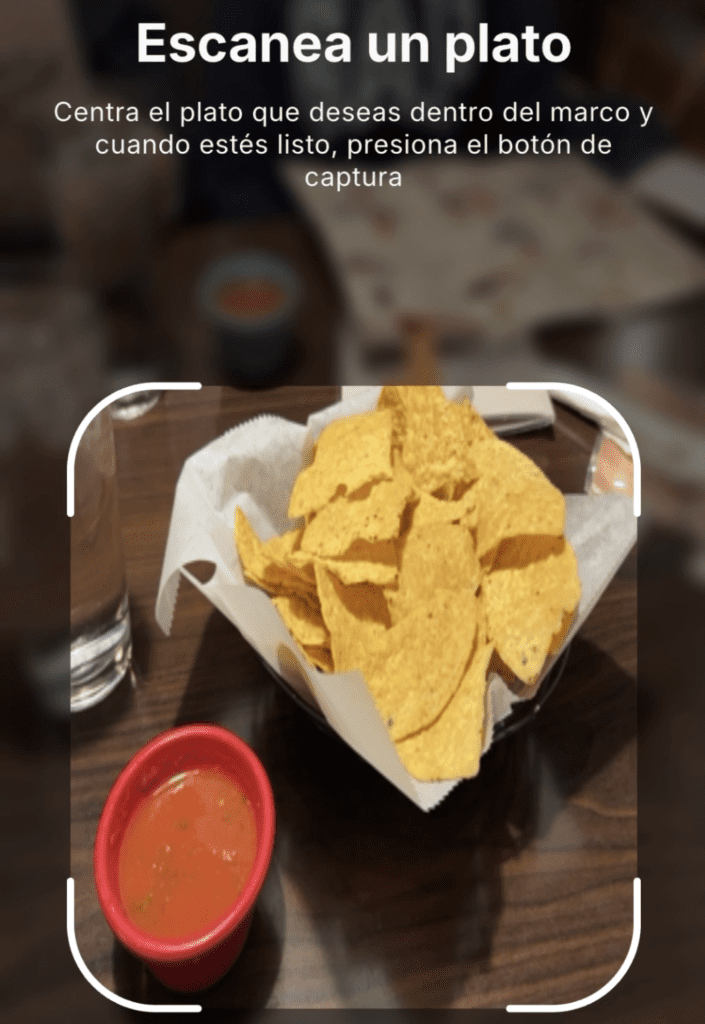
- You take a photo of your meal
- Remy analyzes what’s actually there
- You get a healthier version of that same dish
Not a replacement.
Not a restriction.
A realistic improvement.
This works whether the meal is:
- Home-cooked
- Takeout
- Restaurant food
- Comfort food
If you want to see this philosophy in action, check out how AI transformed real meals in our earlier experiment post.
Why AI Cooking Matters Long-Term
Healthy habits stick when they:
- Reduce mental effort
- Respect personal preferences
- Allow flexibility
AI-powered cooking does all three.
Instead of asking for discipline, it removes decisions.
Instead of forcing change, it suggests progress.
Instead of perfection, it encourages consistency.
That’s why AI isn’t just a trend in food — it’s a structural shift.
Who AI Cooking Is For
AI-powered cooking is especially helpful if:
- You’re tired of rigid meal plans
- You want healthier eating without obsession
- You value simplicity over control
- You want technology to support your habits, not judge them
You don’t need another app telling you what not to eat.
You need one that helps you eat better — realistically.
What’s Coming Next
Remy AI is launching soon, and early users will help shape how AI cooking evolves.
Early access includes:
- Priority onboarding
- Early features
- A chance to influence how the product grows
👇 Join the early-access waitlist below.
 English
  Spanish